
The Psychology Behind Casino Design
Casinos are meticulously designed environments that prioritize sensory stimulation, encouraging players to engage and stay longer. The architecture often features no windows or clocks to disorient players, creating a sense of timelessness. This lack of natural cues prevents individuals from realizing how much time has passed, which can lead to prolonged gambling sessions and accumulated losses, especially at an online casino where access is just a click away. By focusing on creating an immersive experience, casinos subtly manipulate the psychological state of their patrons.
Furthermore, the strategic placement of games and the layout of the casino floor are crafted to maximize exposure to profitable machines. Slot machines, for instance, are often placed near high-traffic areas to attract more players. Additionally, the implementation of bright lights, engaging sounds, and enticing visuals contribute to the overall atmosphere, making it difficult for players to resist participation. This design strategy fosters an environment that favors the house, increasing the likelihood of losses for the unsuspecting gambler.
The emotional aspect of gambling also plays a crucial role in how casinos operate. Players often experience adrenaline and excitement while gambling, which can cloud their judgment. This emotional high makes it easier for individuals to overlook the odds stacked against them. By capitalizing on these psychological triggers, casinos encourage continuous play, ultimately resulting in financial losses for players. It’s a well-crafted system that exploits human psychology to maintain profitability.
The Odds: Understanding House Edge
Every game in a casino has a built-in advantage known as the house edge, which ensures that over time, the casino will always come out ahead. This edge varies from game to game; for example, games like blackjack and poker may have a lower house edge compared to slot machines. Understanding these odds is essential for players who enter a casino, as they directly affect the likelihood of winning or losing. Many players are often unaware of how these odds work, leading to misguided strategies and expectations.
Moreover, the house edge is not just a random statistic; it is calculated based on probabilities and statistical models. The design of games often includes features that may seem inviting, such as bonus rounds or progressive jackpots, which can mislead players into thinking they have a better chance than they actually do. For instance, a slot machine might display frequent small wins, creating an illusion of a higher probability of winning, despite the reality that the odds still favor the house.
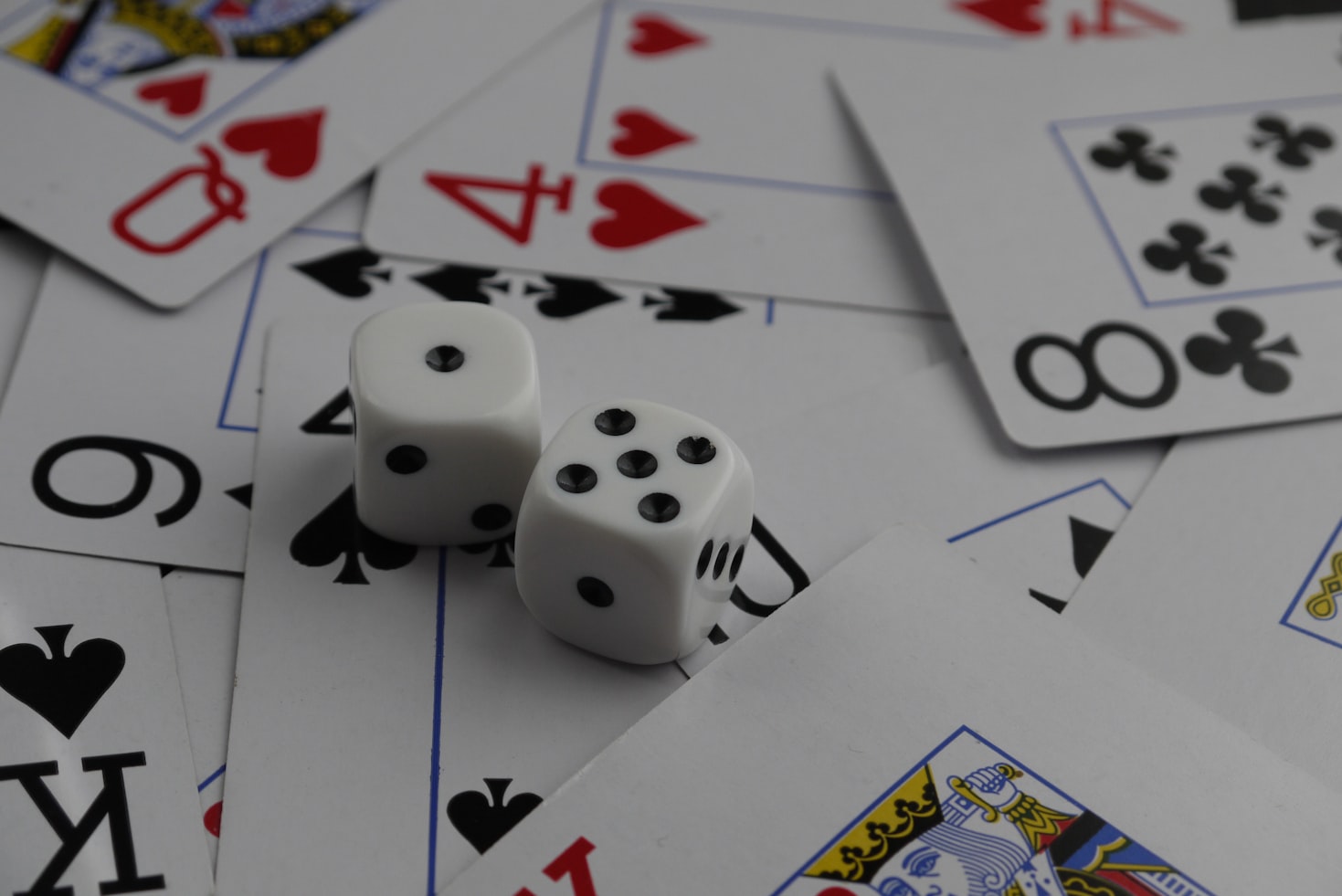
This understanding of the house edge is crucial for players looking to manage their bankroll effectively. Awareness of how much the casino benefits on average from each game can help individuals make informed decisions about how long and how much to play. Without this knowledge, players can fall into the trap of believing they can beat the odds, leading to substantial losses over time.
The Role of Comps and Rewards Programs
Many casinos offer comp programs that reward players with complimentary items or services based on their gambling activity. While these offers may seem generous, they are designed to keep players engaged and returning for more games. The underlying strategy is to create a sense of loyalty, encouraging players to gamble more in hopes of receiving additional rewards. However, it’s essential to recognize that these rewards often come at the cost of even greater losses in gameplay.
For example, the allure of free meals or hotel stays may entice individuals to spend more time in the casino, often leading to increased betting. In some cases, players might justify their losses by rationalizing that their comps offset their expenses. This mindset can be detrimental, as it obscures the true cost of gambling and reinforces the cycle of losing while chasing perceived rewards.
Additionally, a well-structured loyalty program may also include higher tiers that promise greater benefits for increased gambling. This can create pressure for players to keep betting in order to attain a higher status within the casino’s rewards framework. Such programs are effective in reeling players back in, making it easier for casinos to continue profiting while the players ultimately find themselves at a disadvantage.
The Misconceptions of Winning Strategies
A common belief among gamblers is that they can develop winning strategies to beat the house. This misconception can lead to significant financial losses as players may chase after losing bets or invest more in hopes of recouping losses. Strategies such as the Martingale system, which involves doubling bets after each loss, can seem appealing but can quickly become financially devastating. Casinos are aware of these strategies and often design their games to ensure that players reach table limits long before they can effectively implement such systems.
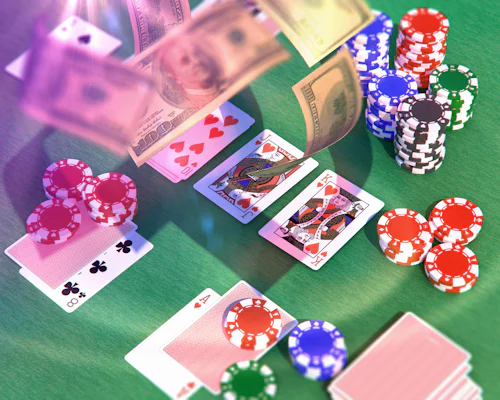
Moreover, many players misunderstand the randomness of games, particularly those involving chance, such as slot machines. The outcome of each game is independent, meaning that previous results do not influence future payouts. Believing in “hot” or “cold” machines can lead players to gamble more, driven by a false sense of timing or opportunity. This psychological trap can create a cycle of loss, as players feel compelled to play despite unfavorable odds.
Education about game mechanics and odds is critical for gamblers who wish to improve their chances. Understanding that no strategy guarantees success can lead to more rational decision-making and potentially lower losses. Players should approach gambling as a form of entertainment rather than a reliable source of income, which is essential in mitigating the financial risks associated with casino gambling.
Final Thoughts on Casino Design and Strategy
In conclusion, while casinos are designed to provide entertainment and excitement, they are fundamentally structured to ensure profitability for the house. The various strategies employed, from psychological design elements to the implementation of the house edge and reward programs, create an environment where players are likely to lose more than they win. Awareness of these design principles can empower gamblers to make more informed choices, allowing them to enjoy their experience without falling victim to the inherent pitfalls of casino gaming.
It’s essential for potential players to approach gambling with a clear understanding of its nature. By viewing games as a form of leisure rather than a way to earn money, individuals can enjoy their time in a casino while minimizing their risk of significant losses. Education and caution are crucial when engaging in any form of gambling, and a mindful approach can transform the experience from a pursuit of profit into one of enjoyment.
For those seeking to learn more about the intricacies of casino operations and gambling strategies, various resources provide valuable insights. Understanding the mechanisms behind how casinos operate can lead to a richer, more enjoyable gaming experience. Always remember to gamble responsibly and know the odds before stepping into a casino.